Passport rankings in 2026: how to read them and where Vietnam stands
 David Le
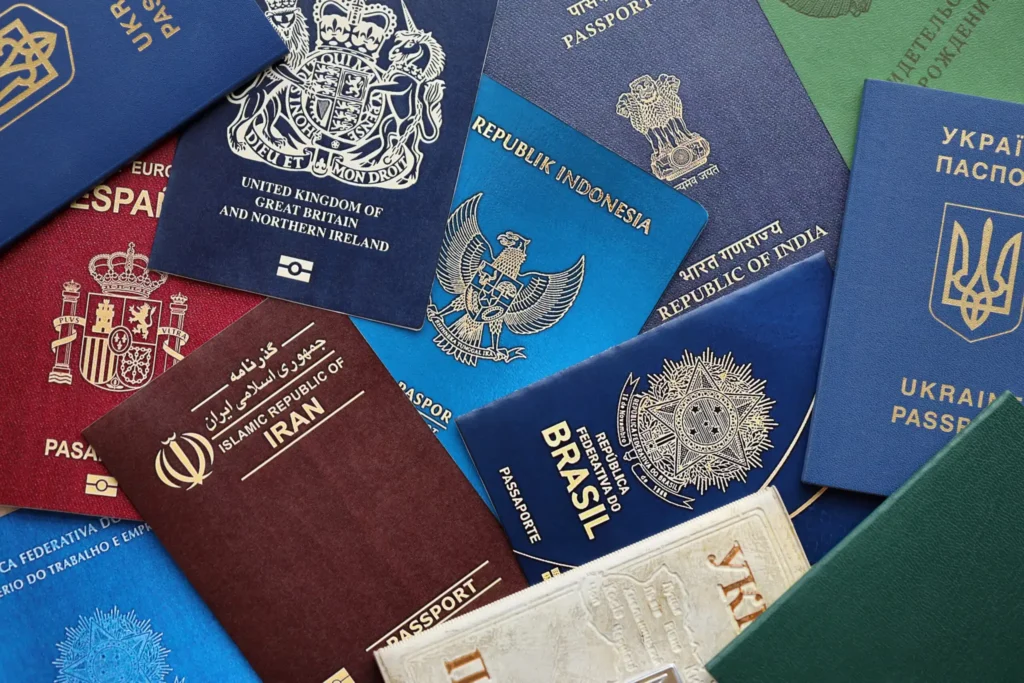
The 2026 passport rankings show Singapore leading and Vietnamese passports in the bottom half of the global table. How to read the table, what the numbers mean and what investors should watch.
Fact Table
| Verified Claim | Source |
|---|---|
| Entry requirements depend on destination, traveller and document details and should be checked close to travel. | 1 |
| Passport rankings are comparative travel-access indicators, not guarantees of admission or measures of tax or residence rights. | 2 |
| Governance indicators provide broad signals on institutions and policy conditions but do not replace asset-level or legal due diligence. | 3 |
| Capital-flow policy and macro-financial conditions can affect cross-border investment decisions and liquidity. | 4 |
What does the 2026 Passport Ranking measure
The 2026 passport ranking, as in previous editions, measures the travel scope of a passport — specifically the number of countries and territories the holder can enter without first applying for a visa, or having a visa issued at the border. Data platforms aggregate immigration information from hundreds of destinations and convert them into a score for ease of comparison.
The important thing to understand right away is that the ranking does not reflect the value of a country, but only describes the range of administrative mobility that the paperwork opens up. A passport that opens more doors simply saves processing time, but does not automatically say anything about income, security or citizenship.
Outstanding results of the 2026 period
According to widely cited passport indexes, at the release date in early 2026, Singapore continues to be in the leading group in terms of accessible destinations. The top group is mainly developed economies with extensive foreign relations, often appearing in high positions over many periods.
Platforms differ in scope: Prosperous Intelligence scores 198 passports across 248 destinations, in the data version updated on 23 June 2026. Because specific numbers change with each publication period and between platforms, the rankings are only a snapshot at a point in time, and updates need to be looked up directly instead of relying on an old milestone.
Where does the Vietnamese passport stand?
In the 2026 passport rankings, the Vietnamese passport is in the bottom half of the global table, with the number of destinations accessible without having to apply for a visa in advance still modest compared to the average. Most of the countries that are open to Vietnamese citizens are in Southeast Asia, some Asian countries and parts of Africa and Latin America.
This position changes over time as new visa exemption agreements are signed or adjusted, and in recent years Vietnam's ranking has tended to move up. However, the gap with the leading group remains large, especially in developed markets that maintain their own visa processes.
How to read rankings correctly
A common mistake when looking at 2026 passport rankings is to only read the total number of destinations. The correct way to read it is to look at the destination structure: Two passports with the same destination number can serve two different sets of needs. For investors with partners mainly in North America and Western Europe, opening more destinations in other regions does not solve their problems.
The right question is always where to open the door, not how many doors to open. In addition, it is necessary to distinguish three forms that the tables often combine: Complete visa exemption, visa issued at the border, and electronic permit — these three things are significantly different for people preparing to actually travel.
Implications for investors and those considering a second passport
For people who often travel for work, the value of a passport lies more in certainty than in the total number. A business trip that has to be cancelled because the visa has not been approved yet has huge real costs. This is why many entrepreneurs are starting to look at travel rights as a planning variable, and consider residency or second citizenship.
However, the 2026 passport ranking should only be a starting point for questioning, not the sole basis for a major decision. A second passport entails legal obligations, taxes and practical residency considerations, so it needs to be evaluated in a broader picture than the destination index.
Verify data at source
Because positions in the 2026 passport rankings are snapshots at one point in time and vary between platforms, updated numbers need to be looked up directly in the independent passport indices, with the publication date.
For the specific entry rights of each trip, the official basis is still the Vietnamese consulate and the representative agency of the destination country, not the rankings. The table only describes the overall picture; actual conditions at the border gate are determined by the current regulations of each country.
Frequently asked questions
Where does the Vietnamese passport rank in 2026?
On the widely cited passport indices at the early-2026 editions, the Vietnamese passport sits in the lower half of the global table, with a modest number of destinations offering visa-free entry or a visa on arrival. Positions shift from one edition to the next, so the current figure should be consulted at source.
Which passports lead the 2026 rankings?
The leading group consists largely of developed economies with wide diplomatic reach; in the 2026 editions Singapore remained among the leaders by number of destinations accessible. The specific figures move between editions and between platforms, so the latest publication should be consulted.
Does a high passport ranking mean a better country?
No. A ranking measures administrative freedom of movement alone, and reflects neither income, nor social provision, nor civic rights. Two passports with the same destination count may serve very different needs, so the right way to read them is by the composition of destinations, not the total.
Sources: International Air Transport Association: Timatic · Prosperous Intelligence: Methodology · World Bank: Worldwide Governance Indicators · IMF: Institutional View on capital flows
This site and Prosperous Intelligence belong to the same group. This article cites data published by Prosperous Intelligence.
The Legation Times writes its content from published documents; nothing here is legal, tax or investment advice. Spotted an error? Send a correction request; for content rights, send a takedown request.