The Malta Permanent Residence Programme: a multi-part structure
 Michael Mai
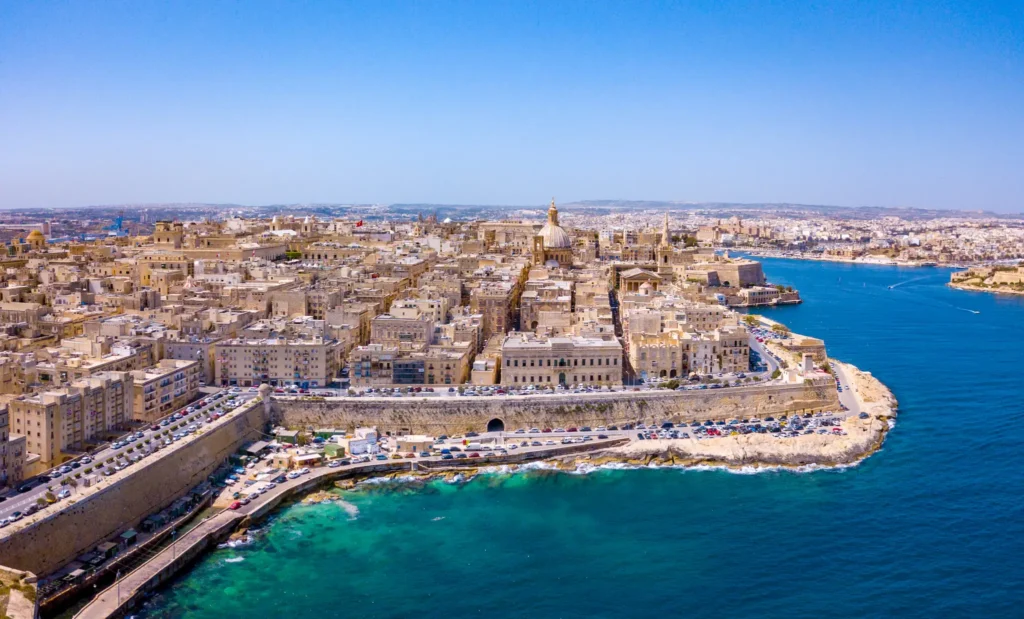
Malta permanent residence through the MPRP program combines many components: government contributions, real estate and philanthropy. The article examines the structure, due diligence and verification at source.
Fact Table
Malta permanent residence and MPRP programme
Permanent residence in Malta for citizens from outside the European Union is granted primarily through the Malta Permanent Residence Programme, or MPRP. This is permanent residence by investment, granting long-term residence rights, not citizenship. Malta does not operate a residence-by-investment programme based on pure capital contribution like some countries, but designs the MPRP to combine many obligations.
The MPRP needs to be clearly distinguished from Malta's citizenship pathway, which is a separate framework and has changed in recent years. The MPRP is aimed at permanent residency; anyone who wants to learn about Maltese citizenship needs to check a different set of regulations. Mistaking these two mechanisms is the source of many false expectations.
MPRP components
The unique feature of Malta permanent residence through the MPRP is that the programme combines many different components, usually including a contribution to the government, the rental or purchase of a threshold property, and a charitable contribution. This is a multi-layer structure, not a single number.
Because the MPRP bundles multiple financial obligations, the total cost needs to be viewed as a package rather than a single amount, and these components can be adjusted from time to time. A full breakdown of each component needs to be requested, instead of relying only on a "from … EURO" figure in the introductory document.
Malta's application screening
MPRP focuses on appraising documents and asset origins, so document preparation is often more thorough than for many other routes. As an EU member state, Malta is subject to strict scrutiny of due diligence standards, and this is reflected in the application requirements for applicants.
Applicants typically must demonstrate a legitimate source of funds, a clean criminal record, and meet the programme's asset thresholds. Results are not guaranteed; an application that is inconsistent or does not explain the source of funds may be rejected, even if the financial components are met.
Which investors Malta permanent residence suits
Malta permanent residence is suitable for investors who want a stable residence status in an EU member state and accept the multi-component structure of the MPRP. Since this is permanent residency and not citizenship, it serves the need for a residential foothold and access, rather than an immediate new passport.
For those who consider citizenship as a destination, it is necessary to understand that permanent residence is a step, and the path to Maltese citizenship is a separate framework with its own conditions.
Clearly defining the goal — permanent residence or citizenship — helps choose the right mechanism and avoid expectations that diverge from what the MPRP actually provides. For those who already have plans to live in Europe, permanent residence in Malta provides a stable status to start with, before considering further steps later.
Policy risk and EU oversight
Residence and citizenship programmes in Malta, as in other EU countries, are closely monitored by the bloc's institutions, and there have been reviews and adjustments. This means that MPRP components and conditions are subject to change, and current availability should not be considered permanent.
When permanent residence in Malta is being considered, policy developments at national and bloc levels need to be monitored closely, relying on the latest documents from the competent authorities. This is a type of risk that a long-term plan needs to account for, alongside the financial calculation.
Verified at official source
The responsible agency is the Residency Malta Agency, which publishes the conditions and fee schedule of the MPRP. This is the standard reference source, to be read with its update dates, because the financial components and conditions of the programme are adjusted from time to time.
For decisions that have legal and tax elements, a licensed immigration attorney and an independent tax advisor, separate from the broker, should be consulted. This article provides information to help ask the right questions and is not a substitute for personalized advice for each case.
Frequently asked questions
What does Maltese permanent residence under the MPRP involve?
The MPRP combines several components, generally a government contribution, the lease or purchase of property meeting a threshold, and a philanthropic donation. Because it is a multi-part structure, the total cost has to be read as a package. These components are set by policy and may change, so they should be checked with the Residency Malta Agency.
Is Maltese permanent residence the same as citizenship?
It is not. The MPRP grants permanent residence, not citizenship. The route to Maltese citizenship is a separate framework with its own conditions, and it has changed in recent years. The two mechanisms should be kept clearly apart to avoid mistaken expectations.
Can an MPRP application be refused?
It can. Malta places weight on source-of-wealth screening, so an application must evidence lawful funds and a clean record. The outcome is not guaranteed in advance; an inconsistent application may be refused even where the financial components are met.
Related programmes
- MaltaMPRP Open
Sources: Malta Permanent Residence Programme Regulations · Residency Malta Agency
The Legation Times writes its content from published documents; nothing here is legal, tax or investment advice. Spotted an error? Send a correction request; for content rights, send a takedown request.